|
Orthodox Worship Services
Orthodox
worship is “liturgical” which means that it follows established forms and
patterns.
These
have been written down in manuscript and printed form since the very
beginning of the Church. Elements of liturgy are in the New Testament
Epistles and in the writings of the first- and second-century Church
Fathers. Countless manuscripts and fragments still exist and can be
found in monasteries as well as in museums and nat ional libraries.
Service Books
The
standard liturgical books used in the Orthodox church today are these:
Links
at the top of this webpage are links to the Liturgical Library books
most-commonly used in parishes of the Orthodox Church in America.
The Typikon
The
Typikon (Greek: τυπικόν/typikon; Slavonic: ѹставъ/ustav) is a book of
directives and rubrics for the order of worship services on each day of
the year. It assumes the existence of liturgical books that contain the
fixed (Orológion) and variable parts (Októechos, Menaíon, Triódion, and
Pentekostárion) of the services.
read more...
Each
church and monastery adapts the service structure to accomodate church
architectural features as well as the needs and capabilities of the
faithful.
To
help clergy apply the Typikon to the circumstances of the local parish or
monastery, various national Churches, such as the OCA, publish an annual
reference publication variously titled as “Typikon,” “Rubrics,” or
“Liturgical Calendar,” etc.
Although
the texts of Orthodox services are constant, there are regional
distinctions. The two broadest categories of these being the “Byzantine”
and “Slavic” which are based, respectively, on the 8th-century order of
services of the Stúdion Monastery in Constantinople and of the 5th-century
order of services of Saint Savvas Monastery in Jerusalem.
The
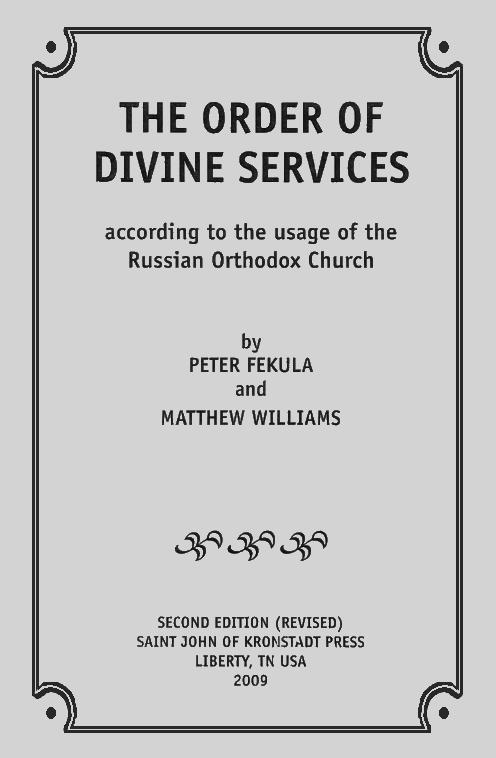
Typikon of the Orthodox Church in America (OCA) is developed from the
Order of the Divine Services which describes in general how services
are structured.
For
example, the annual Typikon of the Ecumenical Patriarchate reflects the
order of services at the Patriarchal Church of Saint George (“cathedral
rite”), while also indicating the order in parishes (“parish rite”), and
monasteries (“monastery rite”).
The “fixed” portions of the Divine Services
The
“fixed” portions of the Divine Services are contained in the
Orologion, or “Book of the Hours.”
These are the Daily Services of:
- Mesonyktiko (Midnight Office)
- Matins
- First Hour
- Third Hour
- Sixth Hour
- Ninth Hour
- Vespers
- Compline
The Orologion
The
Orológion (or Horologion) is primarily used by the Reader and Chanters
whose parts are given in full, while the priest and deacon's parts are
abbreviated.
In
its most-comprehensive version it is known aas the “Great Horologion”
(Greek: Ὡρολόγιον τò μέγα (Hōrológion tò méga); Church Slavonic:
Великий Часословъ (Velikij Chasoslov).
The “variable” portions of the Divine Services
The
“variable” portions of the Divine Services are contained in a series of
volumes, and there is a general precedence of the hymns and Kanons in
these books:
-
The Sunday Resurrection Hymns from the Oktoechos according to the eight tones
-
The Lenten Hymns from the Triodion during the seventy days of the Triodion season
-
The Pentecostal Hymns from the Pentekostarion during the fifty days of the Pentecost season
-
The Daily Hymns from the Menaion according to the day of the month
-
The Daily Hymns from the Oktoechos according to the eight tones for each day of the week over an eight-week period
The Oktoechos
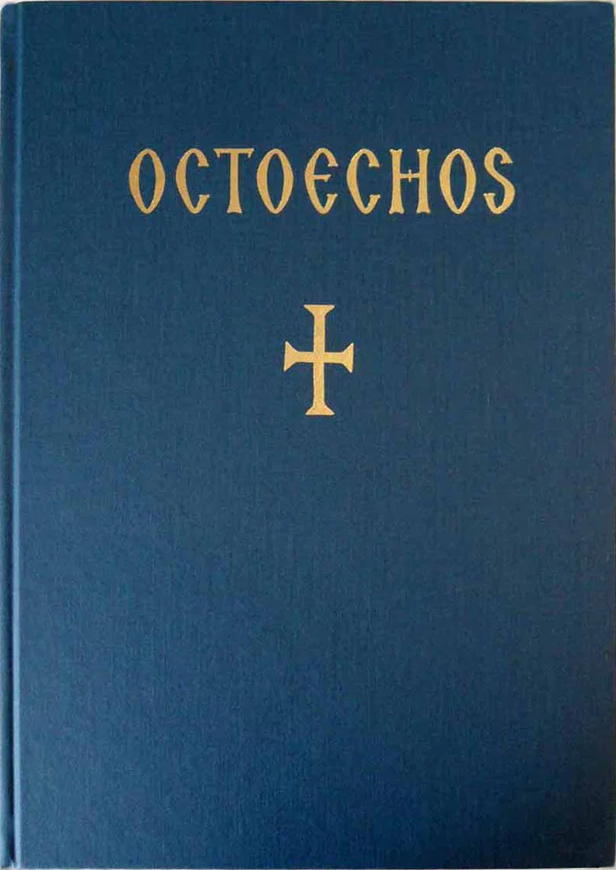
The
Oktoechos (or Octoechos) contains the weekly variable texts in each of the
eight tones. Saint John of Damascus is credited with the systemization of
the musical forms of the Church and for compiling this book. Ιts final
form was significantly influenced in the 9th century by Saint Joseph the
Hymnographer.
The
In Greek usage, the Octoechos might only contain the eight-week cycle of
Resurrectional material for Sunday services, and is also called the
Ἀναστασιματάριον (Anastasimatárion). The Greek book for all seven
days of the weekly material is the Παρακλητική(Parakletiki).
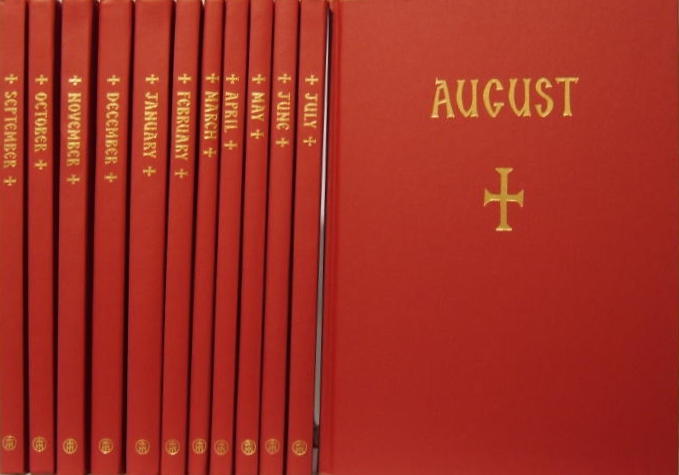
The Menaíon
The
Menaía (plural; singular, Greek: Μηναίον/Minaíon; Slavonic: Минея/Minéya)
are the twelve monthly books containing the variable portions of the
services for each day of the year. The texts reflect the lives of the
Saints and Feasts days occurring on a particular date.
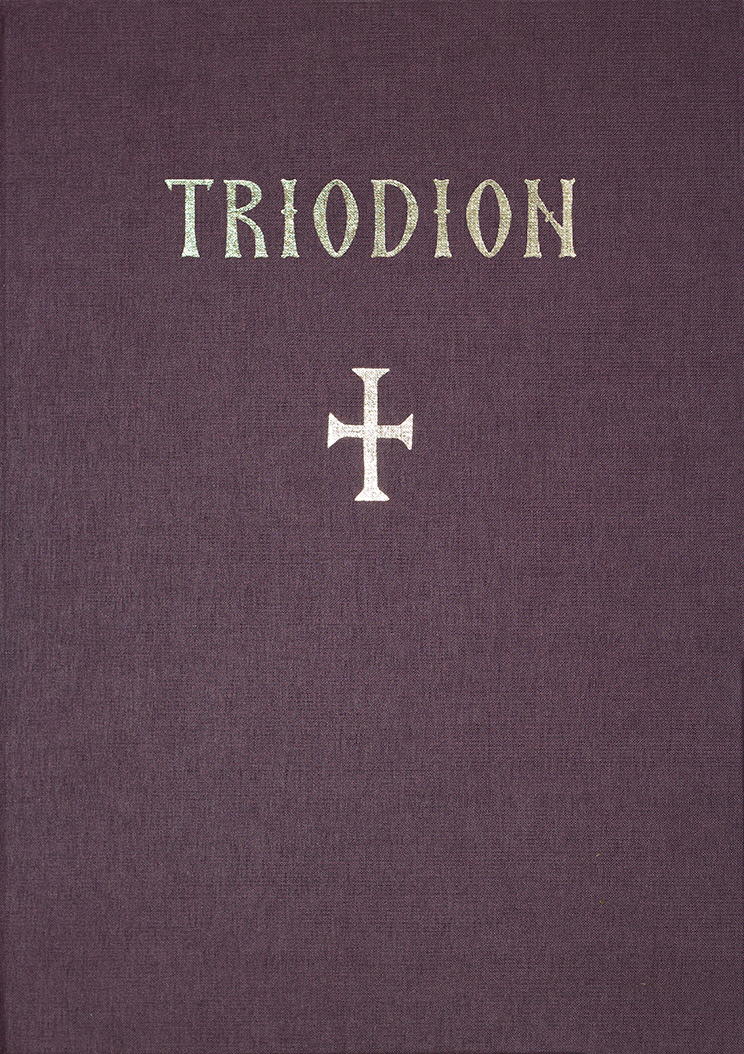
The Triódion
The
Triódion contains the variable portions of the services for each day of
the 70-day period that precedes Pascha. These include the pre-Lenten weeks
of preparation, the Great Fast (or Great Lent), and Holy Week.
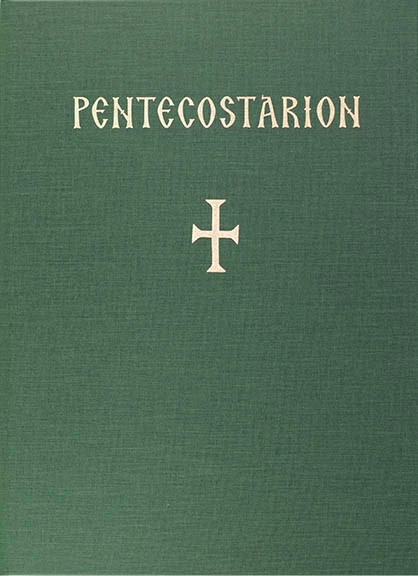
The Pentekostárion
The
Pentecostárion similarly contains the variable portions of the services
for each day of the 50-day period from Pascha through Pentecost, as well
as the week after Pentecost through the feast of All Saints (the Sunday
following Pentecost).
The “variable” portions of
the Divine Services are contained in a series of volumes. There is a
general precedence of the hymns and Kanons in these books:
The Sunday Resurrection Hymns from the Oktoechos according to the eight tones,
The Lenten Hymns from the Triodion during the seventy days of the Triodion season,
The Pentecostal Hymns from the Pentekostarion during the fifty days of the Pentecost season,
The Daily Hymns from the Menaion according to the day of the month,
The Daily Hymns from the Oktoechos according to the eight tones and day of the week.
|


 ,
,